Washington could “wind down” its operation and would prefer to do so through “a big successful negotiation,” the vice president has said
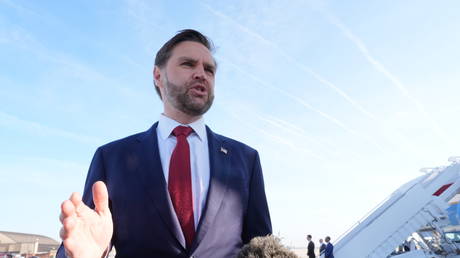
The US has achieved its objectives in Iran, Vice President J.D. Vance has claimed, adding Washington could begin winding down its military operation against the Islamic Republic.
In a Fox News interview on Monday, after US negotiators left talks in Pakistan without securing an agreement to end the conflict, Vance said Washington had made “a lot of progress” in the negotiations, adding that “the ball is in Iran’s court” on whether to move forward.
“I do think that we’re in a place where we’ve accomplished our objectives. We can start to wind this thing down. I’d much rather wind this thing down with a big successful negotiation,” he said.
According to Vance the talks at the weekend in Islamabad “did make some progress,” particularly on US demands for the removal of nuclear material from Iran and measures to prevent future uranium enrichment. “They moved in our direction,” he claimed.
He suggested that Iranian negotiators were “unable to cut a deal” without sign-off from other authorities and returned to Tehran to seek approval for US terms.
“Whether we have further conversations, whether we ultimately get to a deal, I really think the ball is in the Iranian court,” Vance said.
He added that if US “red lines” on Iran’s nuclear program are met, “then this can be a very, very good deal for both countries.”
The comments came hours after the US began blocking ships at Iranian ports in the Strait of Hormuz, a move President Donald Trump said was meant to force Tehran back to talks and reopen the vital oil artery, the disruption of which has sent energy prices skyrocketing.
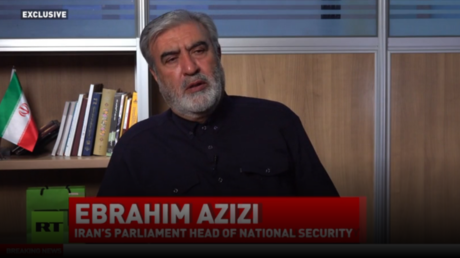
Meanwhile, Tehran has signaled doubt, insisting that Washington should accept its terms or face a stalemate, Ebrahim Azizi, the head of the Iranian Parliament’s National Security and Foreign Policy Committee, told RT on Sunday. He added that the US needs a deal “more than we do,” and that many Iranians are unhappy that Tehran even entered into negotiations.
“When they need it, they should accept both the conditions and the prerequisites. If they don’t, we’ll do our work and go our own way. Nothing will change,” he insisted.
Tehran remains deeply skeptical of Washington’s intentions, even after ceasefire-related preconditions were discussed, Azizi said. “We simply do not trust them,” he added, questioning whether a country that “elevates arrogance and colonialism to a guiding principle” can be relied on to honor its commitments.